Carbon capture

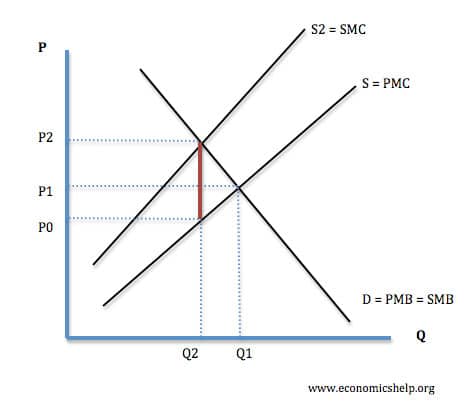
There has been lots of talk lately about the recent announcement of the coming implementation of a carbon tax. The purpose of a carbon tax is to add the social and external cost of a product to the  actual cost of that product. This corrects for a market flaw which doesn’t account for these costs, so they then become social costs, as evidenced by climate change. It’s easy to see how our consumer society ignores these social costs. Price is king while quality is rarely considered. Nearly everything we buy is packed in plastic and our landfills are filled with wasted food. Hopefully by allocating costs to these practices, our society will become less wasteful and more aware of these external costs. 

I have also heard some recent rumblings about the impact of plowing grasslands on release of carbon. It is estimated that prairie  grasslands hold about 80 tonnes of carbon per hectare; most of which is held in the soil itself. By using the land for cropping, 25- 30% of this carbon is released into the atmosphere. Estimates are that for every tonne of carbon decomposed, 3.67 tonnes of CO2 are released to the atmosphere. At a price of $15/tonne for CO2 equivalent, the value of this stored carbon  is over $1100/ hectare (or just under $450/acre). (Full disclosure, I found these figures online and am not a climatologist, so cannot be certain they are correct). And yet there is little incentive for producers to convert marginal crop land back to grass, or to keep that marginal land in grass production. As soil becomes degraded, it loses its ability to store carbon, while methods such as grazing, crop rotations, no-tillage and composting help to regenerate the soil and improve its sequestration abilities. One of the overlooked ways to combat climate change may be a combination of using ecological methods on productive land to produce grains, oilseeds and legumes for human consumption, and maintaining other areas in grass to produce meat for human consumption. 

As put by Jason Hickel in a recent article in The Guardian: 

“Ultimately, this is about more than just soil. It is about something much larger. As Pope Francis put it in his much-celebrated encyclical last year, our present ecological crisis is the sign of a cultural pathology. “We have come to see ourselves as the lords and masters of the Earth, entitled to plunder her at will. The sickness evident in the soil, in the water, in the air and in all forms of life are symptoms that reflect the violence present in our hearts. We have forgotten that we ourselves are dust of the Earth; that we breathe her air and receive life from her waters.”

​Maybe our engineers are missing the point. The problem with geo-engineering is that it proceeds from the very same logic that got us into this mess in the first place: one that treats the land as something to be subdued, dominated and consumed. But the solution to climate change won’t be found in the latest schemes to bend our living planet to the will of man. Perhaps instead it lies in something much more down to earth – an ethic of care and healing, starting with the soils on which our existence depends.”

Sources: https://www.agric.wa.gov.au/climate-change/soil-organic-carbon-and-greenhouse-gas-emissions). 

https://www.theguardian.com/global-development-professionals-network/2016/sep/10/soil-our-best-shot-at-cooling-the-planet-might-be-right-under-our-feet?0p19G=c
http://www.economicshelp.org/wp-content/uploads/2012/11/tax-on-negative-externality2.jpg

http://www.albertafarmexpress.ca/2016/05/09/grasslands-a-carbon-capture-colossus/
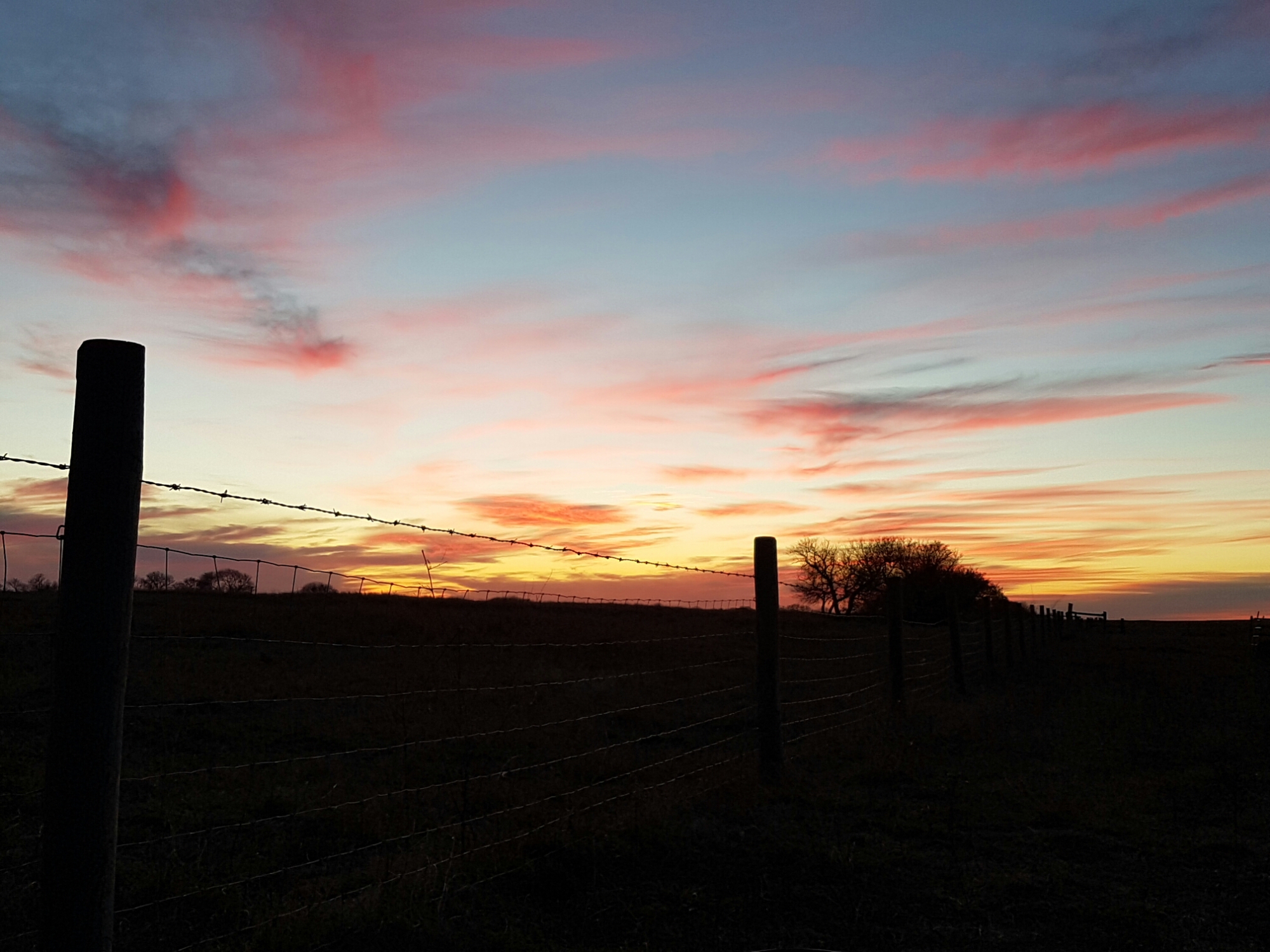
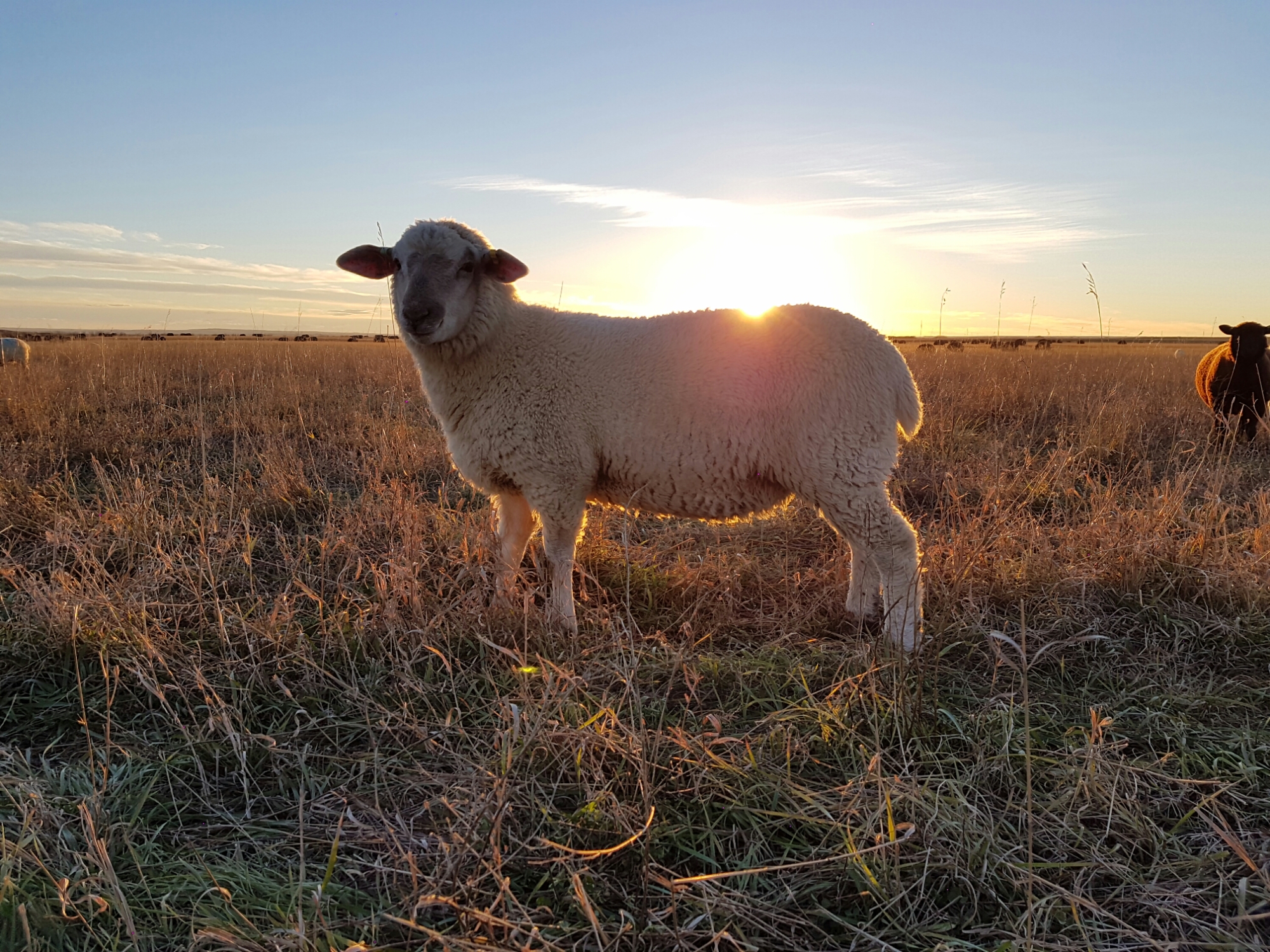
Return of the long absent sun

It seems like it has been weeks since we have seen the sun. And in fact it nearly has. October was a month of cloud, rain, snow and fog. The odd day the sun did break through for a few hours or maybe a day, but overall it was a very grey month. November looks to be a welcome change. The sun has come out and we are all enjoying it.

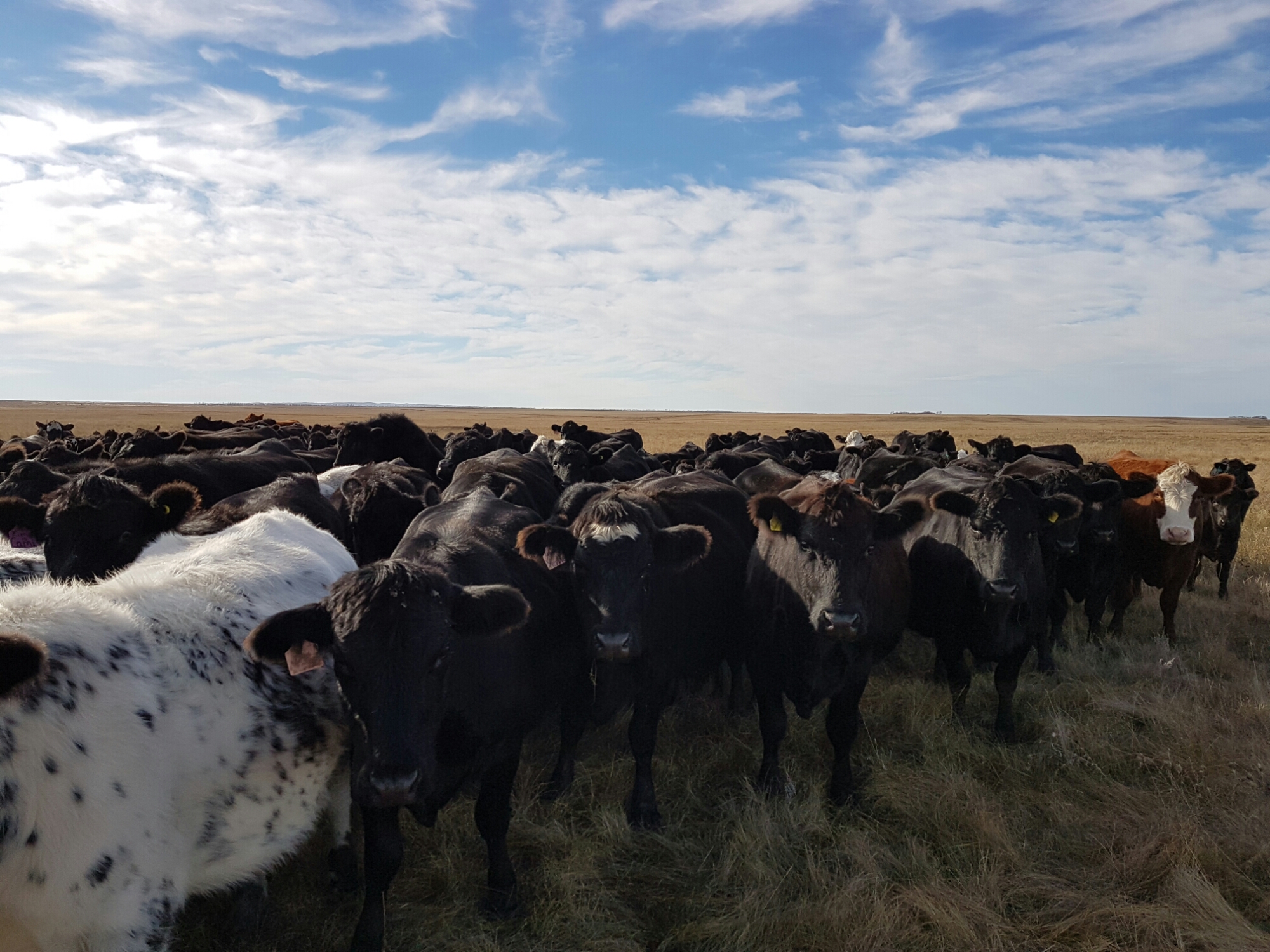
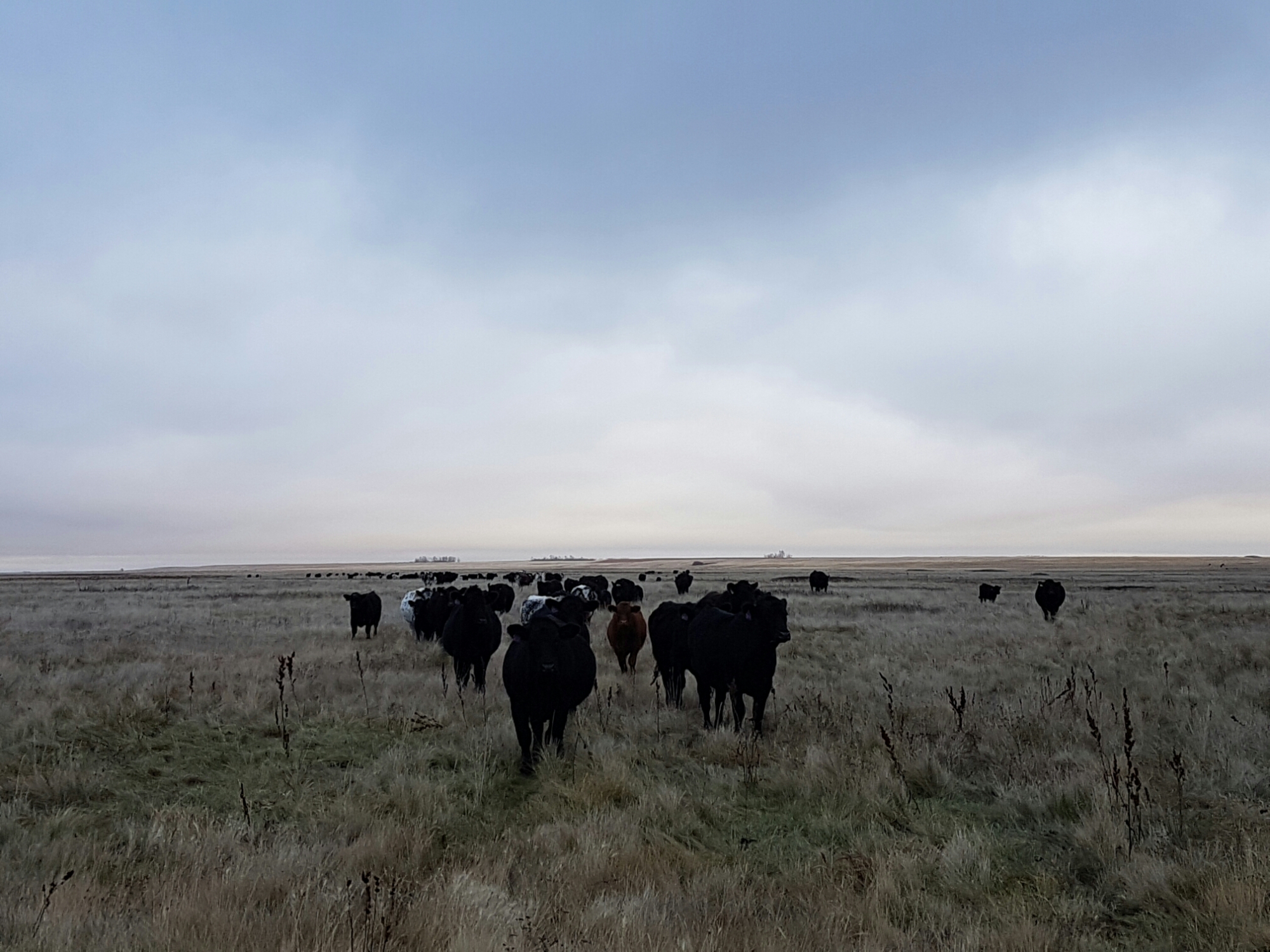
The cows are still on the native prairie

Black and white and yellow all over

Cross Country Cluns

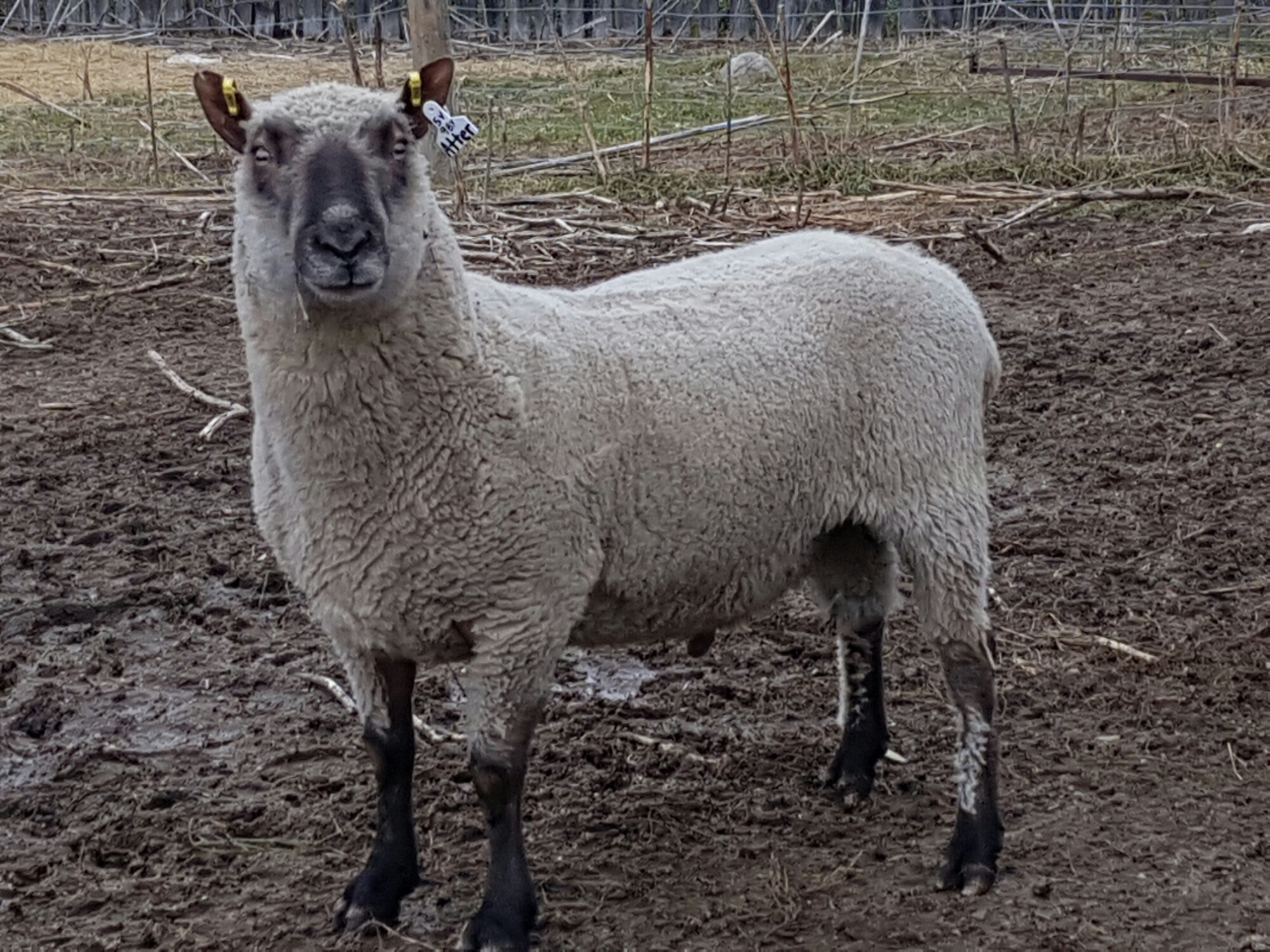
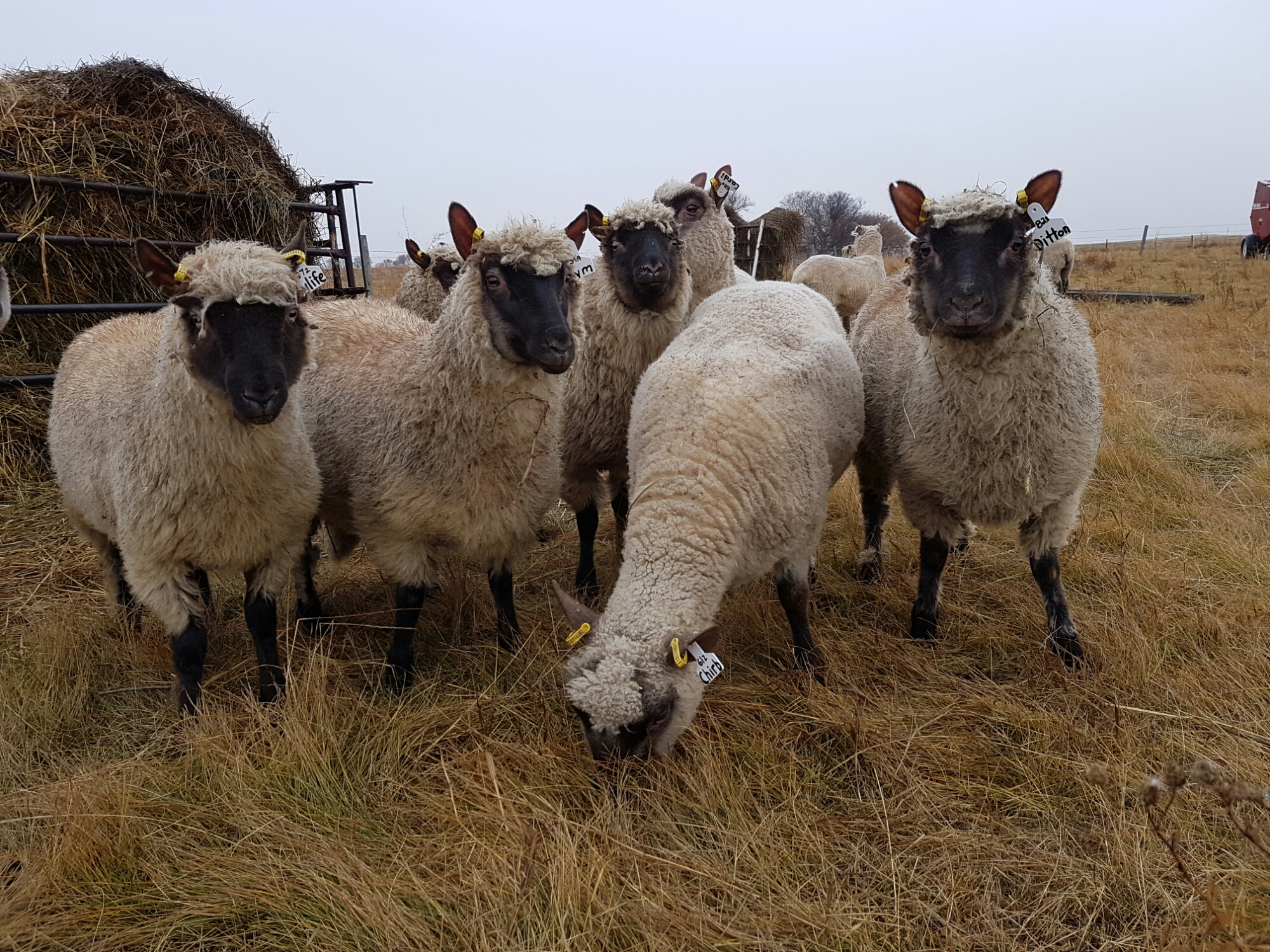
Recently, we acquired some new purebred Clun Forest sheep. They came from a breeder in Nova Scotia, and have genetics different from those available in Western Canada. The process took some time, but the sheep finally arrived last week. They traveled in 2 stages and arrived in relatively good condition, but hungry. Now that they have been here a week, they are settling in and looking better and better. We got a mix of mature animals and spring lambs, males and females. 

This is one of the mature rams, 54A.

A few of the ewes and ewe lambs

We are looking forward to using these new genetics, and will have some rams available in the future.

Bittersweet goodbyes

The majority of the market lambs were loaded out and sold the other day. This is usually a bittersweet day for me. On one hand, it is nice to see the results of a year’s work and to reduce some of the work load. On the other hand, I always feel sad about letting these guys go.

While the lambs are here, I know they are living a good life. They have access to feed, clean water, space to move around, they are healthy and if they do get sick, they are given the proper medicine. Once they leave the yard, I am no longer certain of what the conditions they will be living in.

I spend hours looking after these lambs, sometimes sacrificing sleep, my own health, or time with family and friends in order to make sure that the animals are OK. It is hard for me to then let them go, unsure if the next person will be that committed to these animals. 

After I selected my replacement ewe lambs, I found myself disconnecting from these lambs. I would drive through the pasture, checking for problems in a somewhat superficial way, feed the dogs, and leave. I couldn’t look too closely because then I would second guess myself – that one looks nice, why didn’t I keep her? Even though I knew perfectly well I had looked very closely, considered both her genetics and her appearance, and there was a reason I didn’t keep her. And that I had already kept more replacements than I had originally planned. 

I know I don’t want to start keeping all the lambs to butcher, as that would be another job on our already full plates and not one I would particularly enjoy. So there’s not really any other options for these lambs. The best I can do is to focus on trying to do the best job I can of looking after these lambs while they’re in my care, and do all I can to set them up to do well wherever they end up. 

Resetting

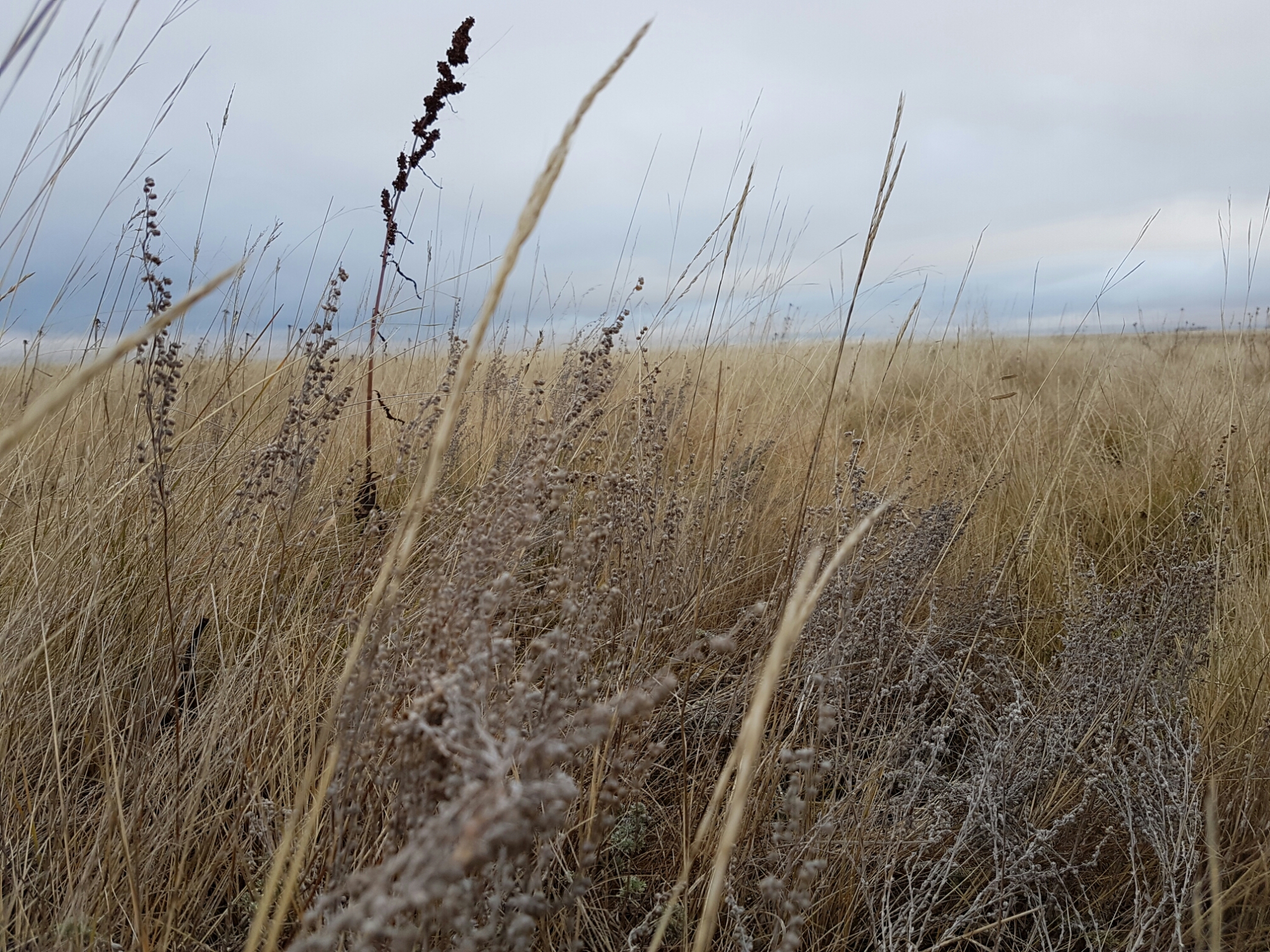
I had the chance to spend some time in the pasture today. This pasture is about 200 acres of native prairie where our cows and calves are currently grazing. This pasture was grazed for a short period in June to target some tame grasses moving in and was then left all summer to regrow and rest. The cattle have been here for about 1 week and it is hard to see where they have grazed. The native grasses stay quite nutritious throughout  the fall and the cattle are contented. 

Spending time in a natural setting feels good. Often we have to remind ourselves to stop and enjoy the beautiful scenery surrounding us. Being able to stop and hear nothing but the sound of the wind and the occasional flock of geese overhead is a blessing that few people get to experience. It soothes the soul, releases tension, and reminds me that I’m one of the lucky ones.