Christmas Presents

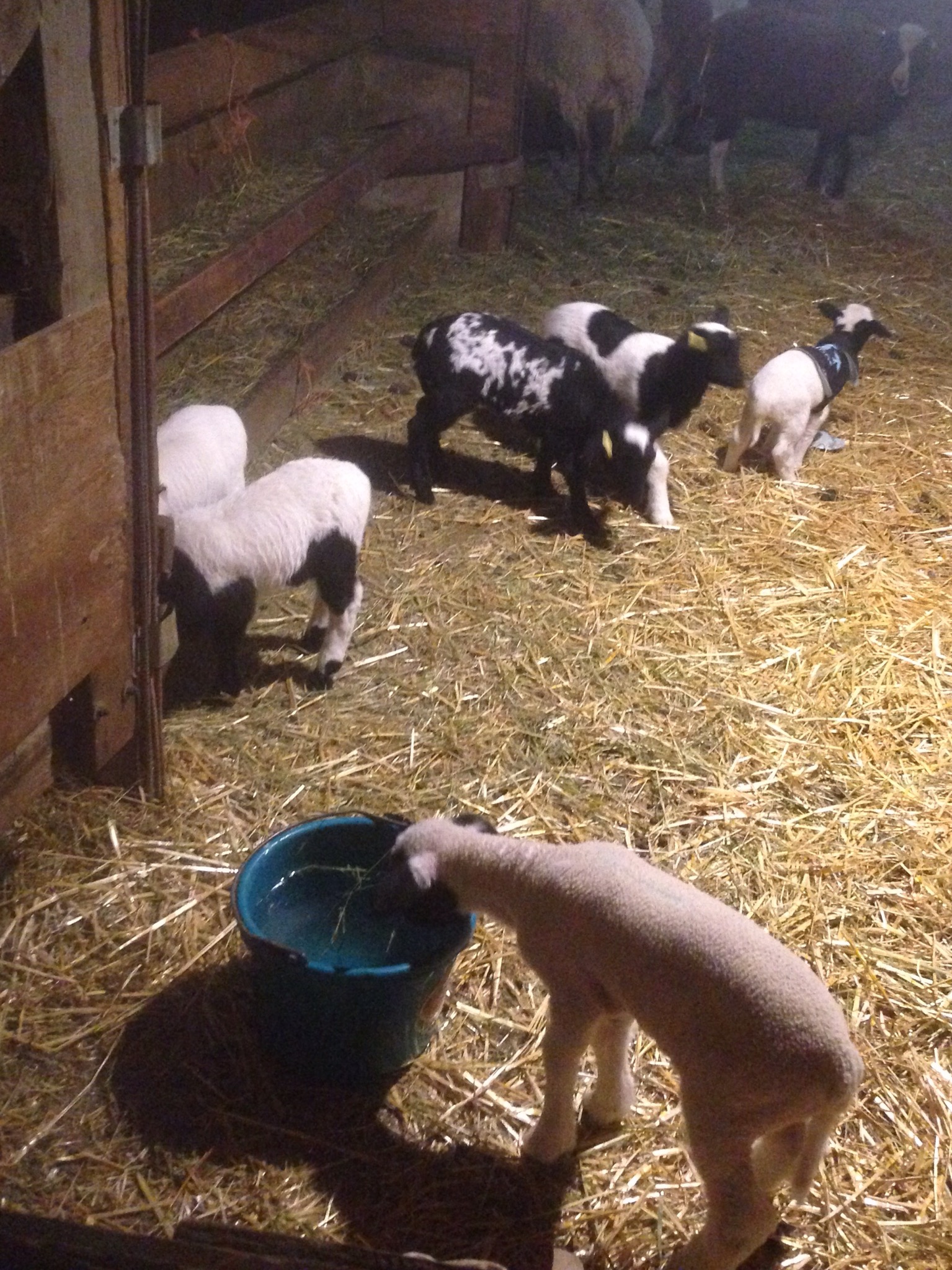
Sometimes despite our best efforts animals take matters into their own hands. We had a ram that discovered how to crawl through the fences this summer. Luckily, I managed to catch him and move him to a more secure pen, but not before he got into a bit of trouble. As a result, 4 ewes lambed over the Christmas holidays. Luckily, it was only 4 and I sorted them out so I could keep a close eye on them and keep them in the barn. They have been spending nights in the barn during the cold weather, and are doing well and growing like weeds!

IMG_3041-0.JPG

Wait 10 Minutes

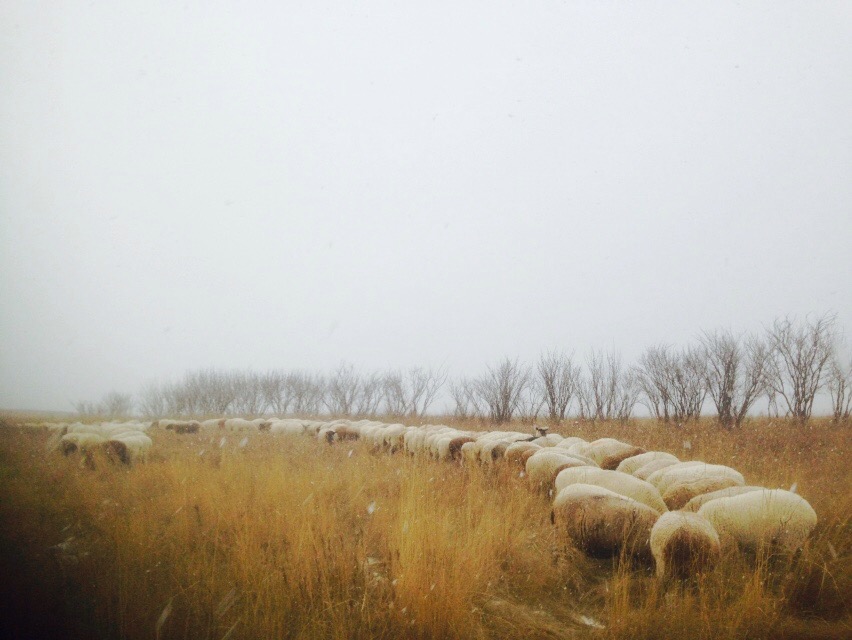
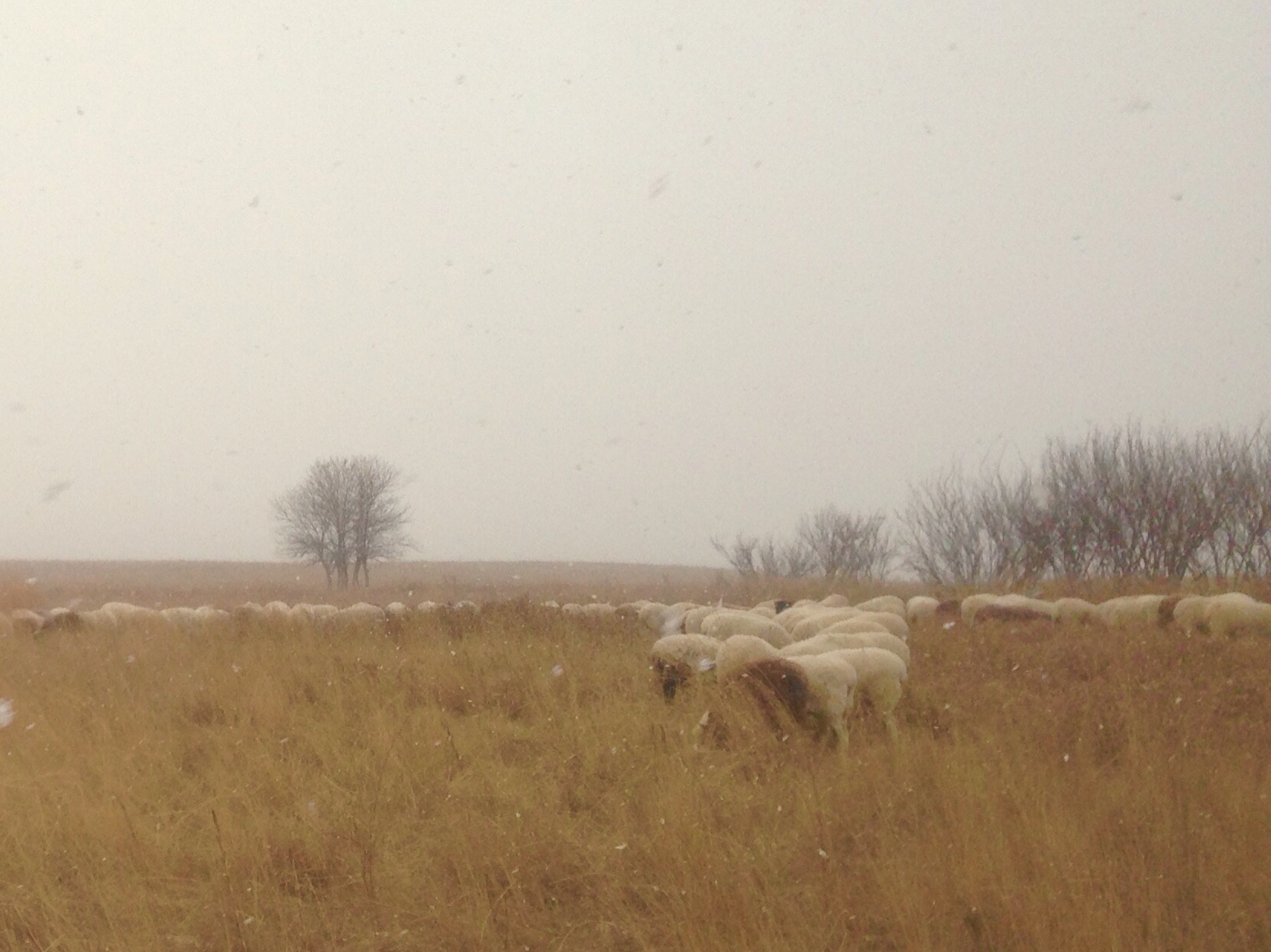
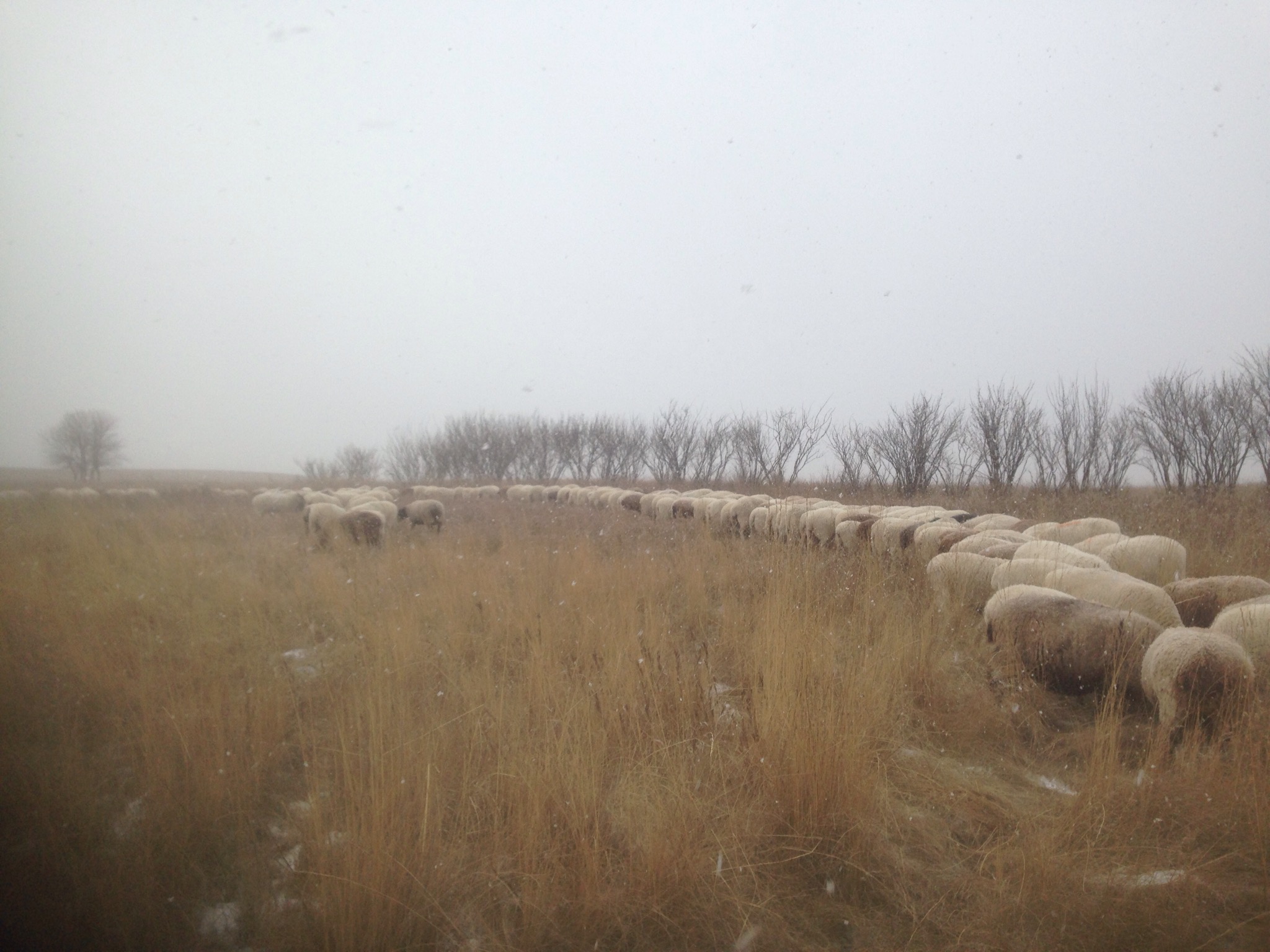
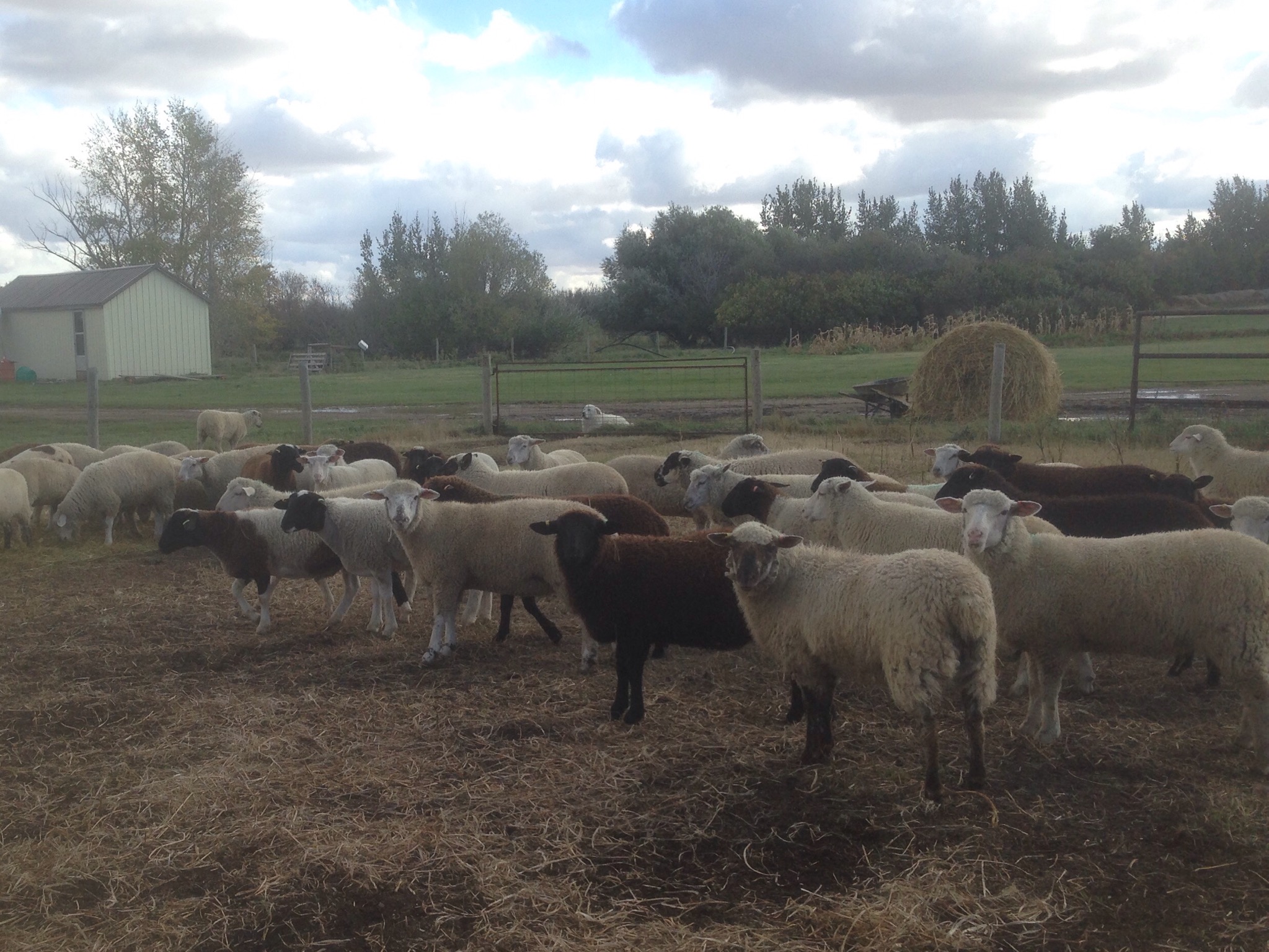
There’s a saying in Saskatchewan “if you don’t like the weather, wait 10 minutes”. Yesterday was the perfect example of this. It started off cool and cloudy with some flurries, then the sun broke through and warmer air seemed to move in. I was doing my morning chores, which involves feeding the ewes some grain in preparation for the upcoming breeding season. I filled up my grain cart and headed out towards the pasture. As I was leaving, the snow started to fall in big fluffy flakes. By the time I got to pasture (only 1/2 mile away) I could barely see where I was headed, but continued on towards the ewes. There was a strong wind gusting, so I headed towards some trees to feed them out of the wind. They came over and I fed the grain, and gave the guard dogs their food. This was the scene as the time, which doesn’t really do the weather justice.
IMG_2906.JPG

IMG_2907.JPG

IMG_2905.JPG

I then did a quick tour around to make sure all the ewes were there and accounted for, and by the time I made it back to the ewes (about 10 minutes) the snow had stopped and blue sky was peeking out from the clouds. The rest of the day seemed to follow the same pattern, from blizzard to sunny day in a matter of moments.

Quiet Weaning

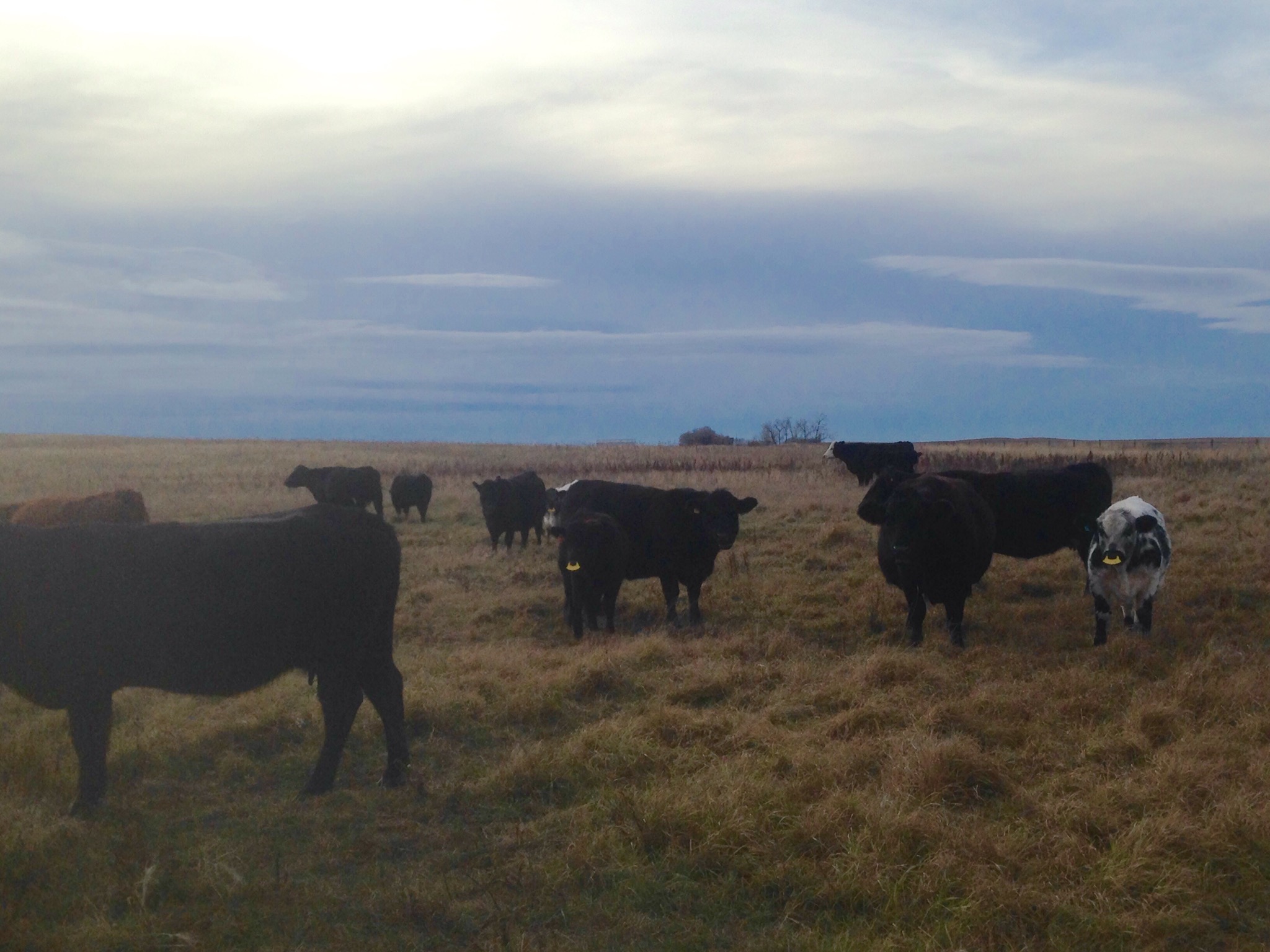
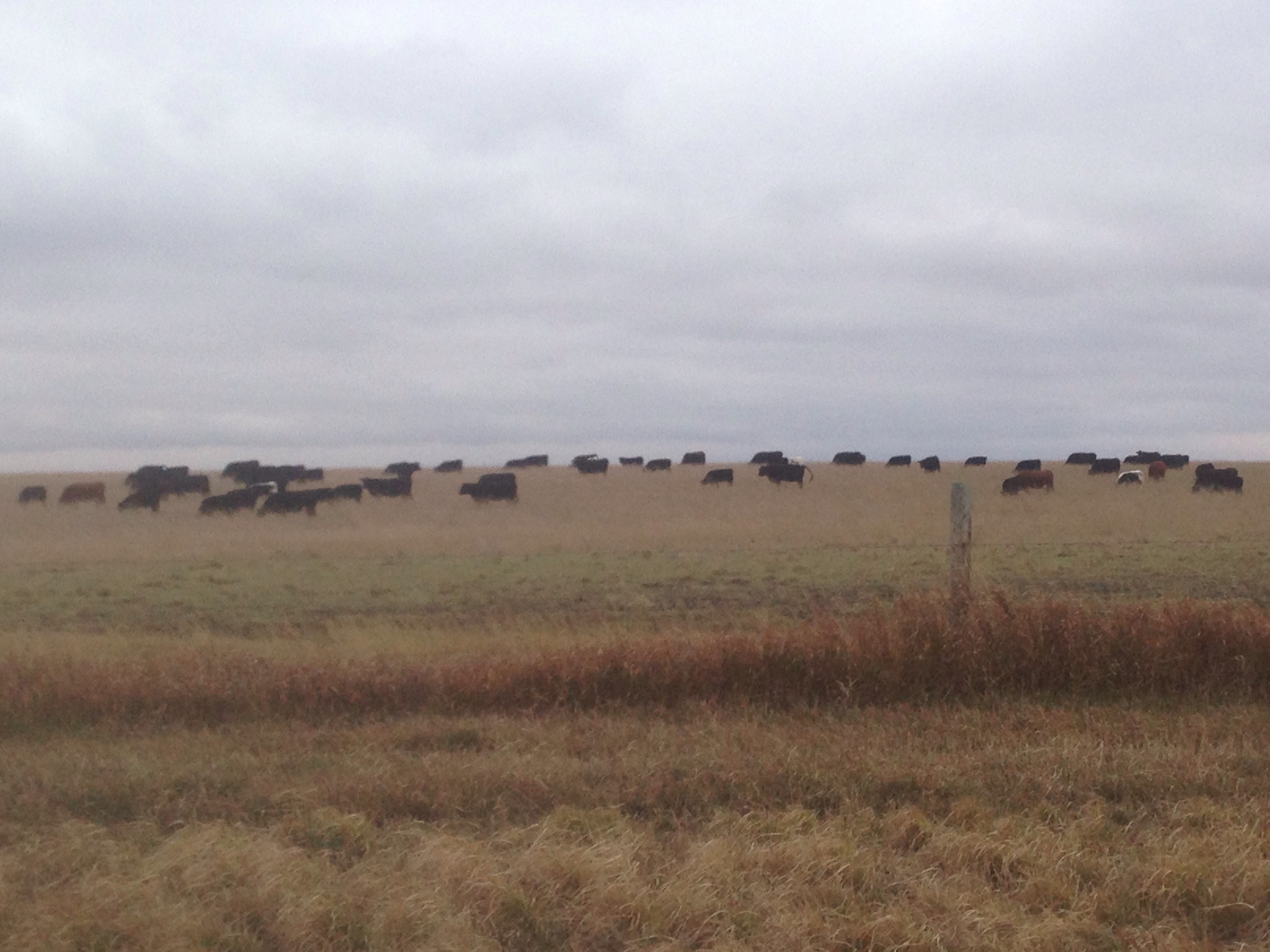
It’s the time of year where cattle are coming home and calves are being weaned. For the past several years, we have been weaning our calves using Quietwean nose paddles. They were developed at the University of Saskatchewan by my MSc supervisor and one of his former PhD students. The plastic paddles are placed in the calves’ nose to try and make weaning more natural for the calves and cows. In nature, the cow would slowly run out of milk and the calf would drink less and less until neither one bothers. Then it isn’t nearly as upsetting to the animals to be seperated. These paddles allow weaning to become a similar two-step process for the animals.

We put the nose paddles in the calves at the same time we are giving them their vaccination boosters and then put the cows and calves back together. The calves can still graze or eat hay and drink water, but the nose paddle prevents them from getting access to the teats on the cow.
IMG_2861.JPG
One thing we notice is that they all seem to pair up and stick close together right after the paddles go in. Maybe they want to be sure they won’t miss the opportunity for milk if it happens!
IMG_2869.JPG
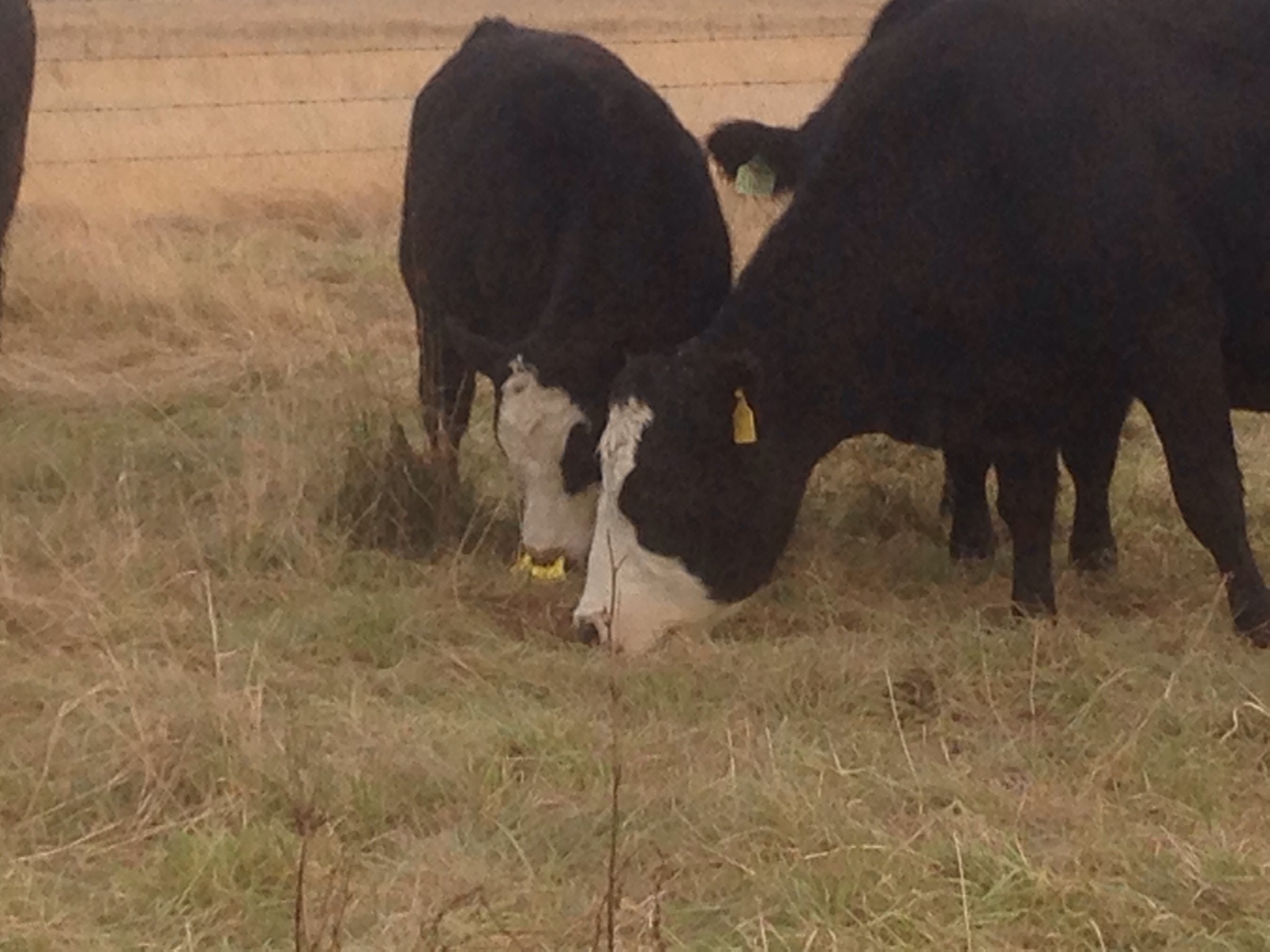
Here they are grazing the morning after we put the paddles in, looking quite content.
IMG_2877.JPG

We left the cows and calves together for 5 days this year, other years we have done anything from 3 days to a week. We brought them back in, sorted cows and calves and removed the paddles in a little over 2 hours. The paddles can be removed pretty much as quickly as the calves come through the chute.

We have found that it works better if they are still grazing instead of eating hay, there is less chance to pull the paddles out of their noses. Cold weather that makes the cattle bunch up also seems to result in a few lost paddles. There always seems to be a couple calves that figure out if they hold their head just right they can still get some milk. These calves and cows are easy to pick out after the first day, because nearly everyone is else has moved on and these animals are still putting up a fuss.

Fruits of our labour

Here is a post that I wrote in early October but didn’t post!

The last 10 days have been a bit of a blur. After bringing the sheep into the yard, I spent a long hot Thursday weaning and weighing lambs. I also sorted out the cull ewes (ewes that for one reason or another are done producing lambs and now will be sold for meat). The lambs look really great and weights were better than expected, even if it did take me until after dark to get through them all!

I also had to pick my replacement ewe lambs, and was aiming for 50 but after first cut had 110 or more in the pen. It is a nice problem to have, and after looking at the genetics and weights, I selected just over 70 to keep as breeding stock.

Friday we brought the ewes back in to run through the chute and vaccinate because we are participating in a vaccine trial with the WCVM. It was another warm day but went well, and some eager vet students did most of the work! Saturday was a bit slower, but I did manage to weigh through the cull ewes and deworm them so they were ready to get on the truck.

As we had already secured a buyer for lambs, Sunday we brought the lambs back into the handling system and vaccinated and dewormed all of them, as well as sorting the group for sale from the lambs that will stay here to get a little bigger.IMG_2662-0.JPG The truck was supposed to come for the lambs and cull ewes on Monday but a breakdown delayed the pickup until Thursday. In the meantime the lambs going to the feedlot had a little more chance to get accustomed to living in a lot and eating hay, so they looked pretty good getting on the truck.
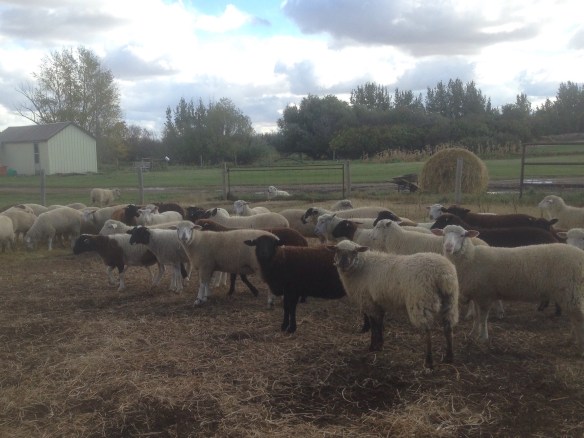
Selling direct to a buyer means that we can eliminate commission and trucking costs, and it also is great to build a relationship with the people who end up with our animals. This way they know they are getting good quality animals, and we can ensure a good price for our lambs.

It is a nice sense of pride that we feel when we can see our hard work paying off with a nice group of healthy sheep and strong prices to support what we love to do.

 

Heading home

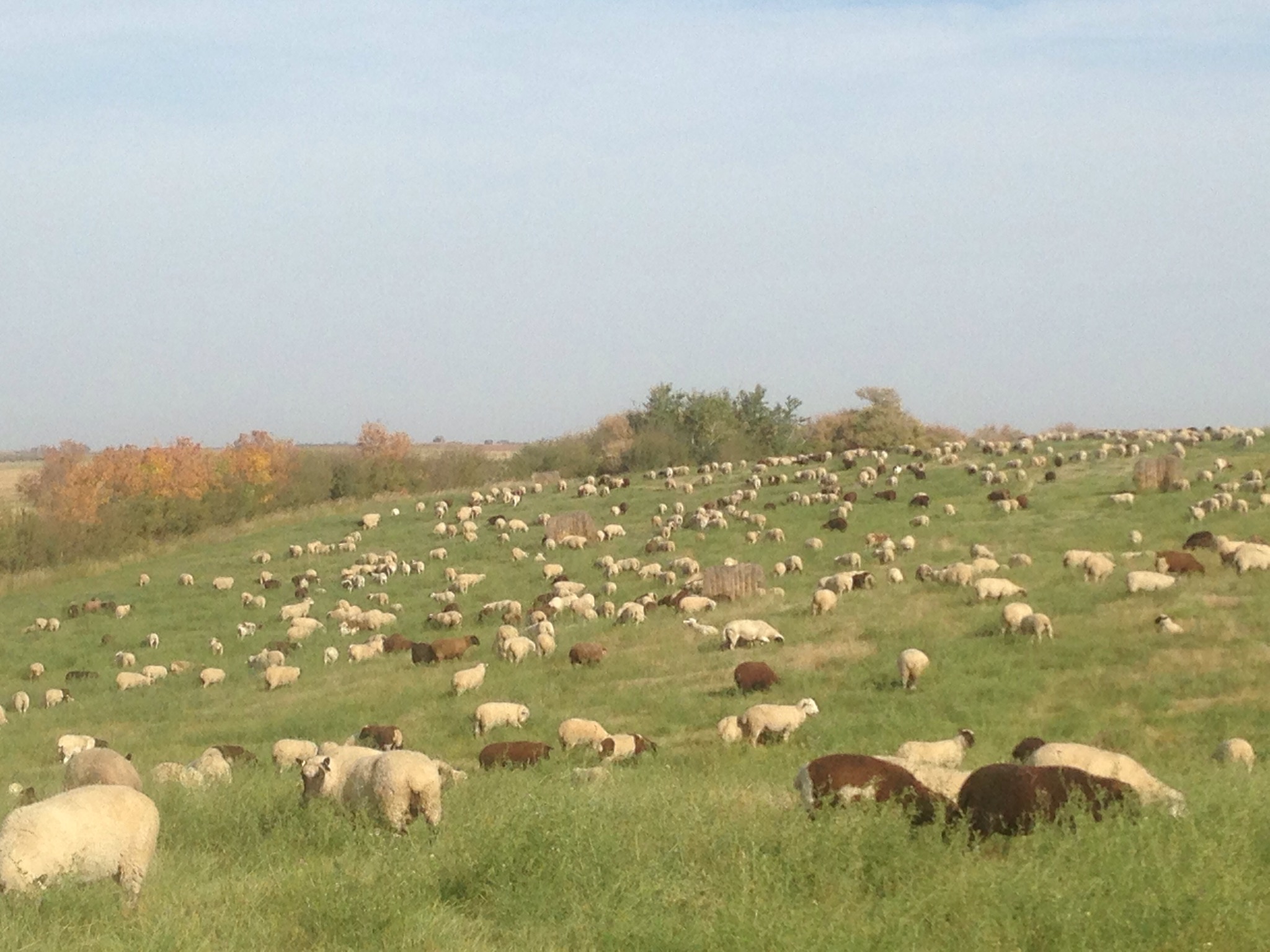
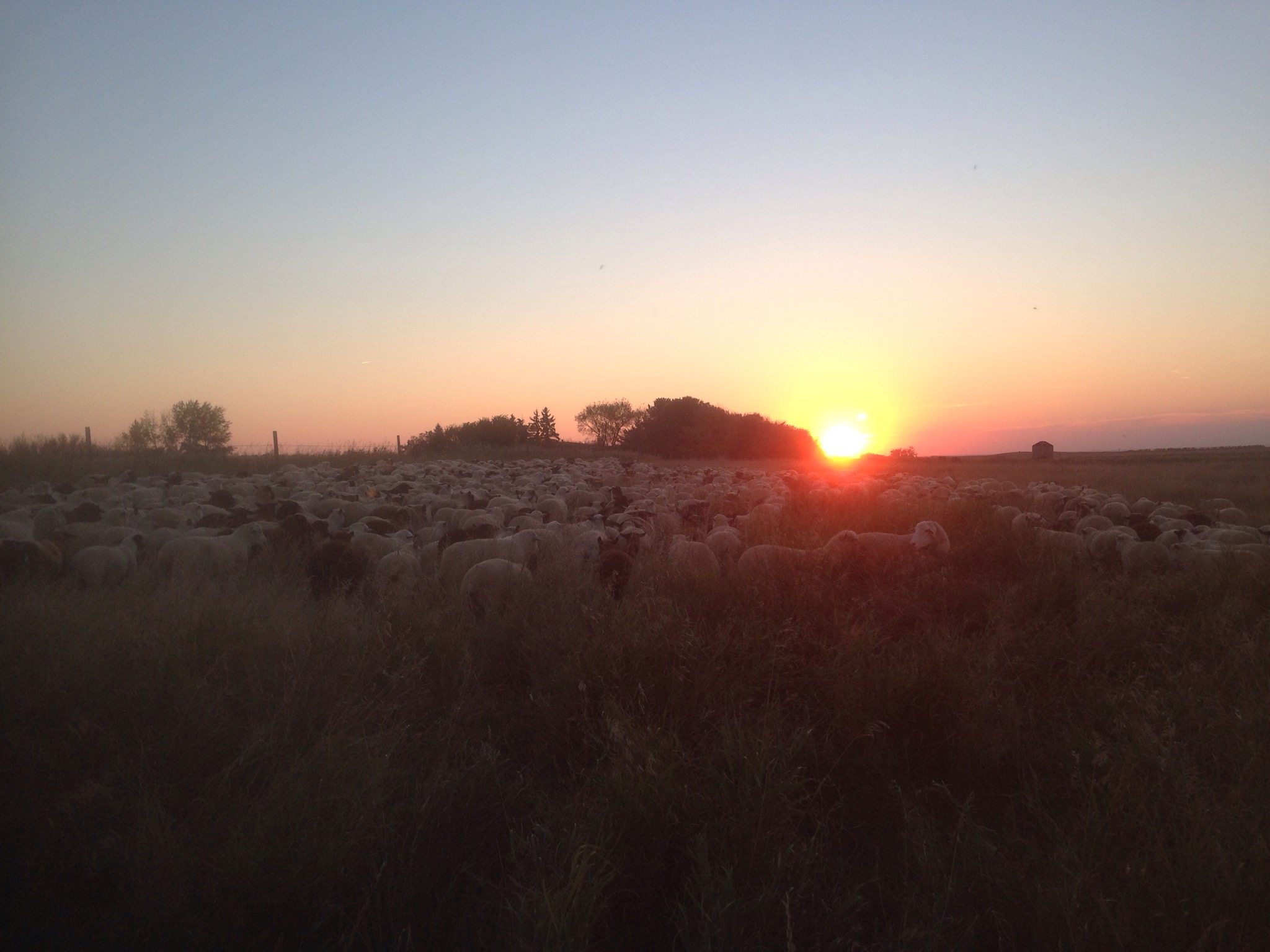
With the arrival of fall comes fall work. Farmers are hard at work (whenever the rain doesn’t stop them) combining grain and getting stuck, and unstuck. Sheep are starting to move off the pasture, and this week we brought the flock home to wean lambs and vaccinate ewes. Because they were more than 2 miles away, I decided to move them over the course of the day, moving about a mile and a half in the morning to a patch that was cut for hay in July with good alfalfa regrowth.

IMG_2618.JPG
As they spread out over the field, I took some time to enjoy the blend of fall colours of leaves on trees, ripened grain crops and still green grass to the harmony of the sheep munching away on the tasty morsels of grass and alfalfa. These moments, surrounded by nature, livestock and dogs are wonderful reminders of why it is we choose to do what we do.

The sheep were obviously quite happy here, but as their natural tendency is, they began to drift towards the yard later in the afternoon. With some help from the dogs they came in at sundown.

IMG_2642.JPG